
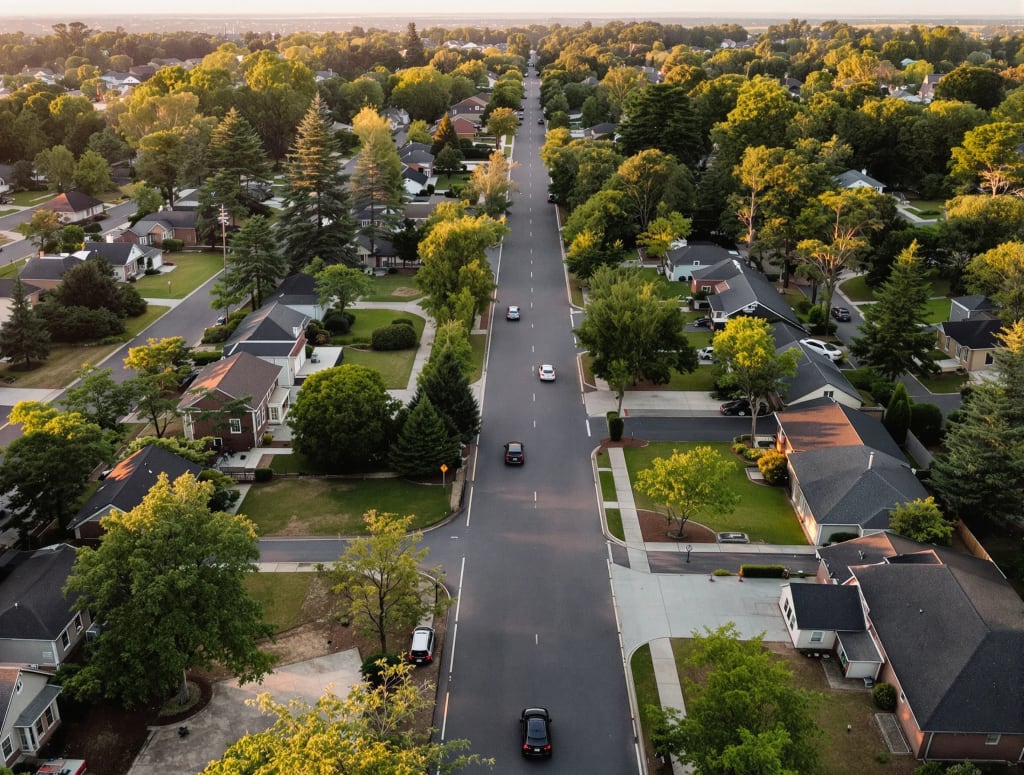
Your No-Stress First-Time Buyer Blueprint in Fayetteville
Buying your first home around Fayetteville can feel a bit like jumping into basic training without a manual—exciting, but also overwhelming. Between interest rates, inspections, neighborhood choices, and acronyms you've never heard of, it's easy to feel lost. With the right blueprint and a local guide who understands both the market and the unique needs of military and relocating buyers, this process can actually be clear, organized, and even enjoyable.
This guide breaks down how to find the right starter home in Fayetteville step by step, from clarifying your budget to choosing the neighborhood that fits your lifestyle. Whether you're stationed at Fort Liberty, transitioning out of the military, or simply ready to stop renting, you'll walk away knowing exactly what to focus on—and what to ignore.
Along the way, you'll see how working with an experienced Fayetteville real estate agent, like Kai Murphy at Keller Williams Realty Fayetteville, can turn a stressful decision into a confident move toward long-term stability and wealth-building.
Clarify Your "Starter Home" Priorities

Before scrolling through endless listings, it helps to define what a "starter home" really means for you. For some first-time buyers, it's a low-maintenance townhome close to work. For others, it's a single-family home with a yard for pets and weekend grilling. The clearer you are, the easier it is to screen out distractions and avoid decision fatigue.
Start by making two lists: must-haves and nice-to-haves. Must-haves typically include things like price range, commute time to Fort Liberty, minimum number of bedrooms, and basics such as off-street parking or a fenced yard. Nice-to-haves might be features like a fireplace, updated kitchen, or an extra half-bath. When you inevitably find a house that doesn't check every box, this list keeps you grounded in what truly matters.
Location is a huge part of this conversation. With Fayetteville's mix of established neighborhoods, newer communities, and outlying areas, each pocket of town has its own feel. Some areas offer quick access to Fort Liberty and major roads, while others emphasize quiet streets or larger lots. A local agent who works every day in Cumberland County and nearby communities can help you match your lifestyle—whether that's walkable convenience, quiet cul-de-sacs, or easy highway access—to the right part of town.
As you prioritize, think beyond today. A good starter home should fit your life for at least the next three to five years. Consider potential changes like growing a family, adopting pets, or switching work schedules. Planning ahead helps you choose a property that can flex with your life instead of forcing another move sooner than you'd like.
Know Your Numbers and Get Pre-Approved
Nothing brings peace of mind to first-time buyers like understanding the financial side from the start. When you know your comfortable monthly payment and loan options, you can focus on homes that truly fit your budget instead of guessing or stretching too far. This is especially important for military buyers juggling BAH, potential PCS timelines, and the possibility of renting the home out down the road.
Begin by reviewing your monthly budget, including existing debts, savings, and emergency reserves. Then connect with a reputable local lender—ideally one familiar with VA loans and military-specific situations. A strong lender will walk you through your options, explain down payment choices, and give you a realistic pre-approval amount that reflects both the bank's limits and your comfort zone.
For many Fayetteville buyers with military ties, the VA loan is a powerful tool. With zero down payment, no private mortgage insurance, and competitive rates, VA financing can open doors to homes that might otherwise feel out of reach. An agent experienced with VA buyers can help you structure offers that meet VA appraisal and property requirements while still being attractive to sellers.
Once you're pre-approved, you hold a major advantage. Sellers take your offer more seriously because they know your financing has already been vetted. Just as important, you can make decisions quickly in a competitive market without scrambling to sort out the money piece at the last minute. This is one of the simplest ways to reduce stress throughout your search.
Choose the Right Fayetteville Neighborhood
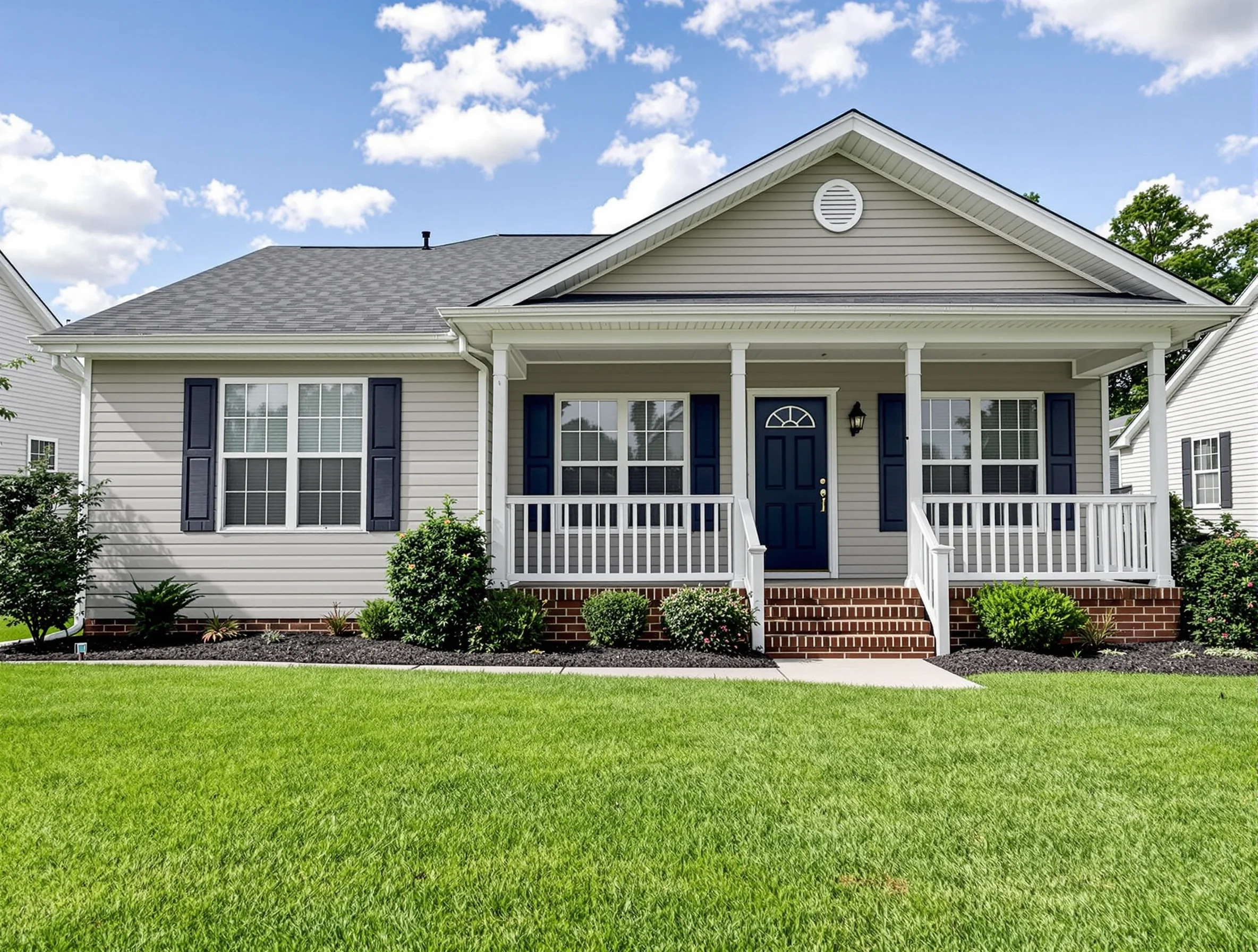
Finding the right starter home isn't just about the house; it's about the life that house allows you to live. That's where neighborhood selection comes in. Around Fayetteville and the communities surrounding Fort Liberty, you'll find a wide range of options—from established areas with tall shade trees to newer developments with community amenities.
Think about your daily rhythms. If you're active-duty or a contractor, minimizing commute time to the installation might be your top priority. Others may prioritize proximity to schools, parks, or recreational spaces like walking trails and sports fields. Fayetteville offers pockets that cater to each of these needs, and a local expert can help you understand which neighborhoods line up with your preferences and budget.
It's also worth considering future resale or rental potential, especially for military buyers who may face a PCS move in a few years. Areas with strong demand, diverse housing options, and convenient access to major corridors can help your property stay attractive as either a resale or a rental. Someone who works daily with military relocation clients and understands Fort Liberty's impact on the local market can give you an honest view of what to expect.
Whenever possible, take time to drive the neighborhoods you're considering at different times of day—morning commute, late afternoon, and evening. Listen for noise, notice traffic flow, and picture your routines. This simple step can reveal whether a particular area truly feels like home or not, long before you set foot inside a house.
Touring Homes with Strategy, Not Stress
Once your budget and target areas are set, the fun part begins: touring homes. Without a plan, though, this stage can quickly turn chaotic. Properties start blending together, and important details get lost. A simple, repeatable system ensures you stay focused and calm while evaluating each option.
Before each showing day, review your must-have list and remind yourself of your top three priorities. Maybe that's price, location, and condition. As you walk through each home, check those three items first. If a house fails one of those core criteria in a major way, it's often best to move on, even if the decor or a special feature tempts you.
Bring a notebook or keep notes on your phone. Jot down what you notice about layout, light, storage, and any potential repairs. Pay special attention to "big ticket" systems like the roof, HVAC, and windows. You don't need to be an expert—that's what inspections are for—but noticing general condition helps you avoid costly surprises. An experienced agent can point out red flags, suggest questions to ask, and help you compare one property to another objectively.
Remember that cosmetics are usually the easiest things to change. Paint colors, outdated light fixtures, and older appliances can often be updated over time as your budget allows. On the other hand, major layout issues, structural concerns, or a location that doesn't feel right are much harder to fix. Keep your eyes on the fundamentals that support comfort, safety, and long-term value.
Making Confident Offers and Navigating Inspections

When you've found a home that feels right, the next step is writing an offer that's both competitive and comfortable. In the Fayetteville area, market conditions can vary by neighborhood and price point, so hyper-local data matters. A plugged-in agent will pull recent comparable sales and current competition to recommend a smart price and terms.
Your offer includes more than just the purchase price. You'll also decide on closing timeline, due diligence periods, repair request windows, and whether you're asking for any seller concessions. For military buyers or those relocating on a tight schedule, timing can be especially important. Good communication among you, your agent, and your lender keeps everyone aligned and reduces last-minute surprises.
Once you're under contract, inspections are your opportunity to fully understand the home's condition. A thorough home inspection can reveal both minor maintenance items and bigger issues that may need negotiation. Don't panic if the report is long; most homes, even newer ones, have a list of recommended fixes. Your agent will help you separate routine maintenance from true deal-breakers and craft a reasonable repair or credit request.
Throughout this stage, regular updates and clear explanations go a long way toward keeping your stress level down. This is where an agent who prioritizes education and communication really shines—answering questions, translating jargon, and making sure you always know what's happening next and why it matters.
Closing Day and Planning for the Future
After inspections, appraisal, and final loan approval, closing day arrives. You'll sign the documents that officially transfer ownership and receive the keys to your first home. It's a big milestone—and also the beginning of a new chapter in your financial and personal life.
Think of your starter home as both a place to live and a stepping stone in your long-term plan. Over time, paying down your mortgage and building equity can provide options, whether that's upsizing later, turning the home into a rental, or using the equity for future goals. For those connected to Fort Liberty, this flexibility can be especially valuable during career shifts and PCS changes.
Staying proactive with maintenance and small improvements protects your investment. Simple things like servicing your HVAC system, cleaning gutters, and touch-up painting keep your home in good shape and make it easier to sell or rent when the time comes. Keeping a running list of projects with approximate costs also helps you plan and avoid feeling overwhelmed.
If you ever feel unsure about market conditions, potential renovations, or whether it's time to make your next move, reconnecting with your Fayetteville real estate advisor can provide clarity. Someone who understands both the local market and your personal history as a buyer is in a great position to guide your next steps with confidence.
Partnering with a Local Guide Who Has Your Back
Buying your first home around Fayetteville doesn't have to be a stressful guessing game. With a clear blueprint—defining your priorities, understanding your budget, choosing the right neighborhoods, touring strategically, and navigating offers and inspections—you can move from uncertainty to confidence.
Working with a local professional like Kai Murphy at Keller Williams Realty Fayetteville adds another layer of support. With specialized experience serving military buyers, sellers, and relocation clients around Fort Liberty, plus the technology, marketing, and training resources of Keller Williams behind the scenes, you gain a guide who treats education and communication as non-negotiables. You're never left wondering what comes next or why a decision matters.
If you're ready to explore your first home in Fayetteville or the surrounding North Carolina communities, consider this your invitation to take the next step. Start by clarifying your must-haves, connecting with a trusted lender, and then reach out to an agent who knows this market inside and out. With the right plan and the right partner, your "no-stress" first-time buyer journey is absolutely within reach.